What five looks like
Five is the age when play gets longer and more independent. A five-year-old can follow a short set of rules, sit through a ten-minute board game, and build something for half an hour without help. They still want to do the same thing again and again. They also lose small pieces under the sofa and break anything fragile.
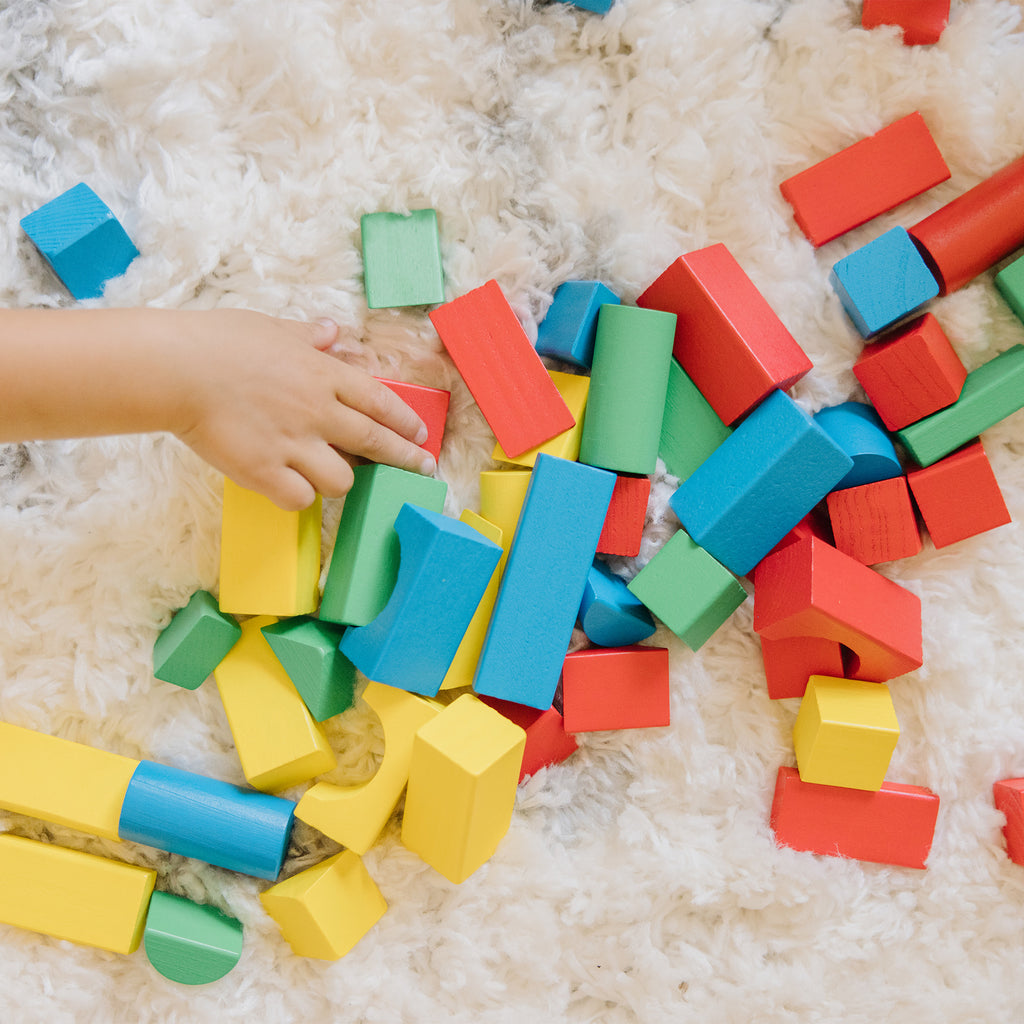
So the gifts that last are open-ended and tough. A tub of building pieces gets used for months. A toy that does one trick gets used for a day. If you are choosing between a licensed character set and a plain set of the same thing, buy the plain one with more pieces and let them make the character themselves.
What we would buy
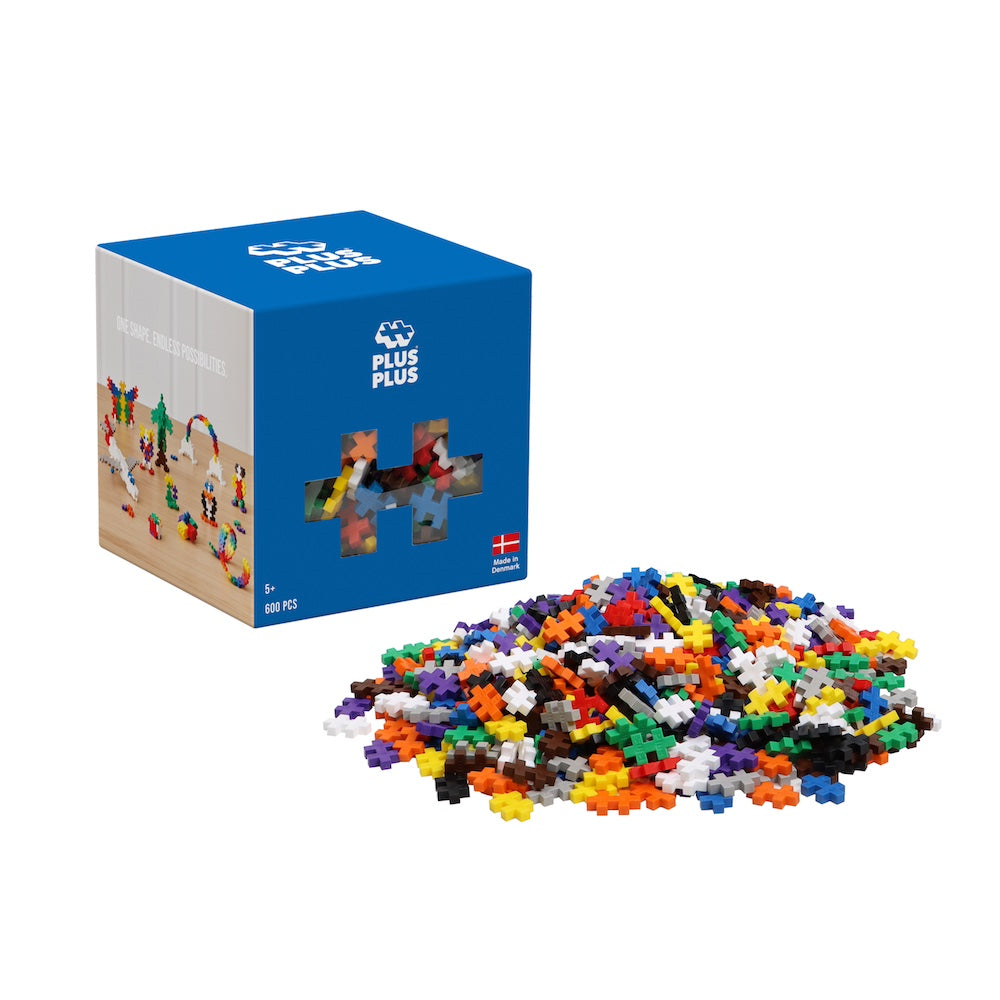
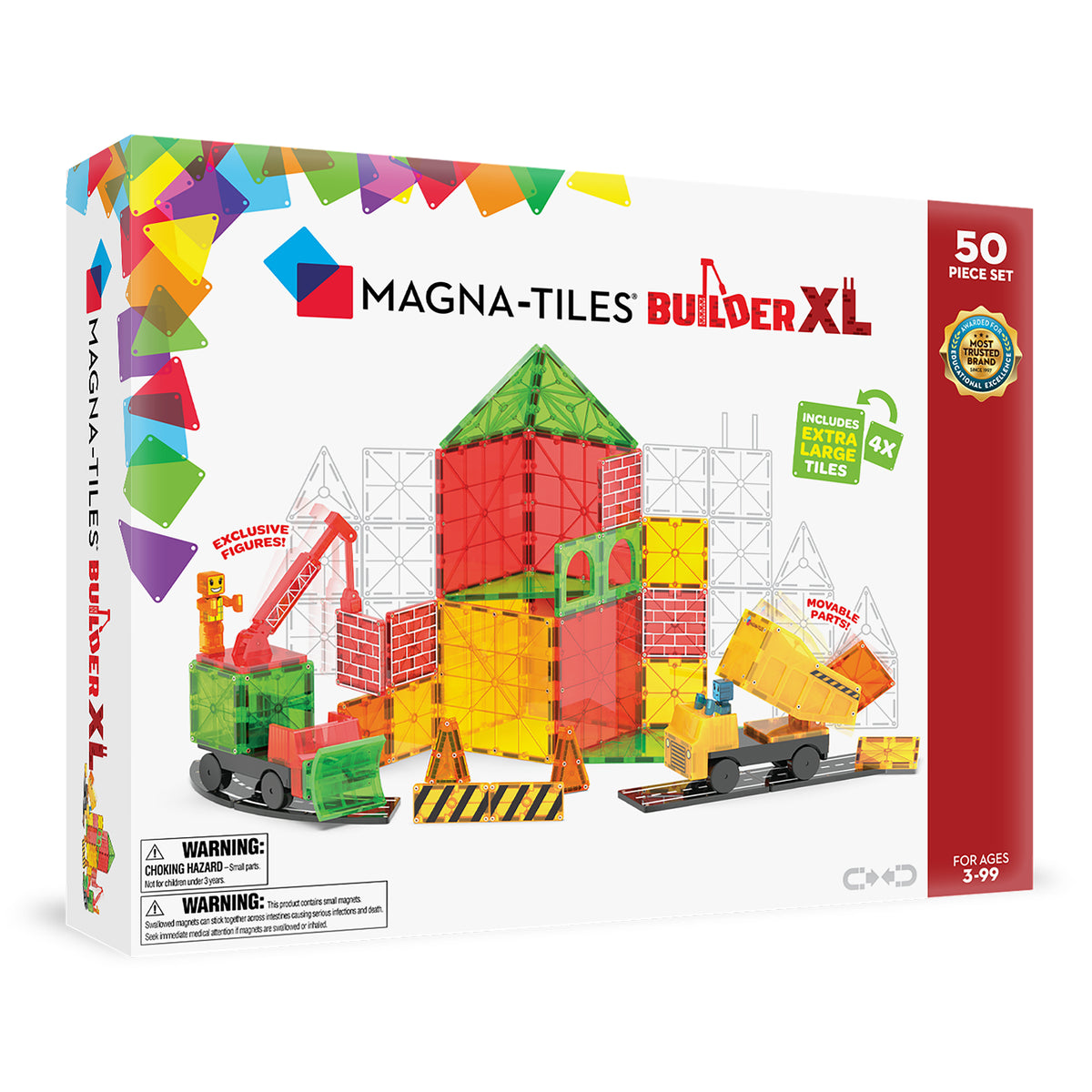
Magnetic tiles or click-together building pieces first. Both suit a five-year-old's hands, both reward building without instructions, and both grow with the child, since a seven-year-old builds very different things from the same pieces. Click-together pieces are cheaper and pack smaller. Magnetic tiles are faster to build with and better for a child who gets frustrated.
A screen-free story player second. A five-year-old can run a card or figure player alone, which gives parents a quiet half hour and gives the child control over what they hear. Both systems make money on the cards or figures, so add one or two to the gift so it works out of the box.
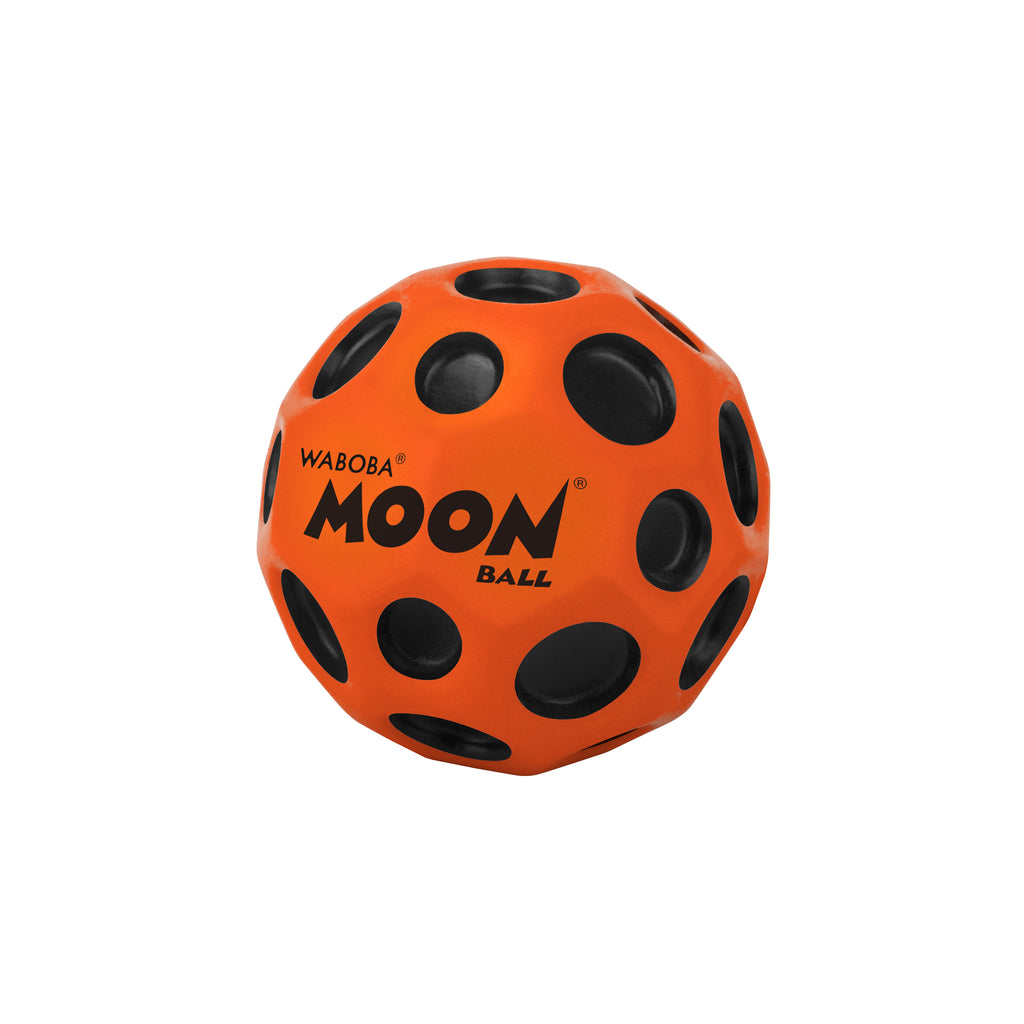
Then something for outside. A high-bounce ball, a solo kick trainer, mini hockey sticks or a surf mat for a summer Christmas all burn energy, and five-year-olds have a lot of it.
First real games
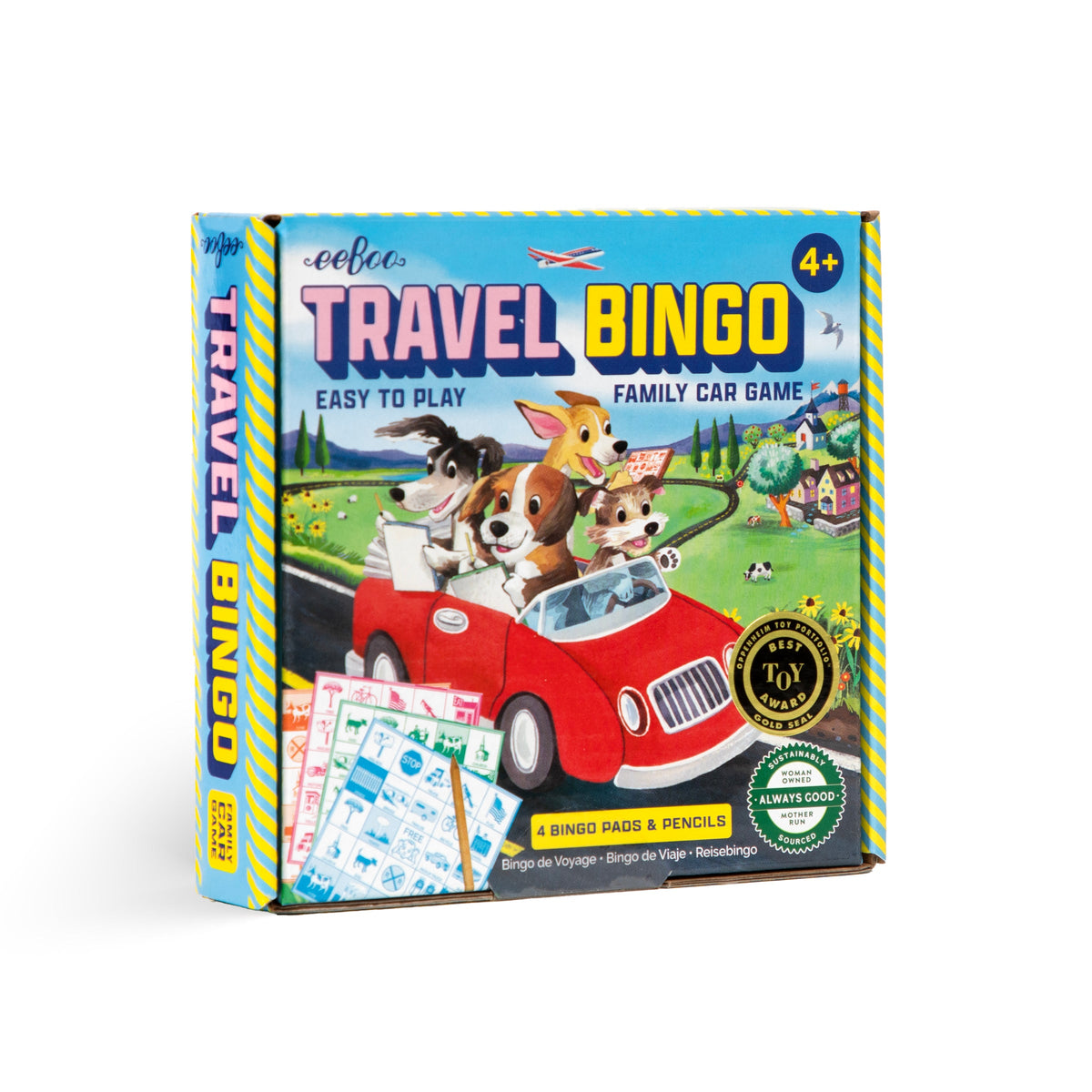
This is the right age for a first board game that is a real game. Look for short play time, no reading, and a fair chance for the child to win. Simple matching, collecting and race games fit. Avoid anything where an adult has to throw the game for the child to win, because five-year-olds notice.
Card games with numbers and colours also work now. Play one with them on the day you give it. A game that gets played once with a parent tends to get played again.
Mess, small parts and siblings
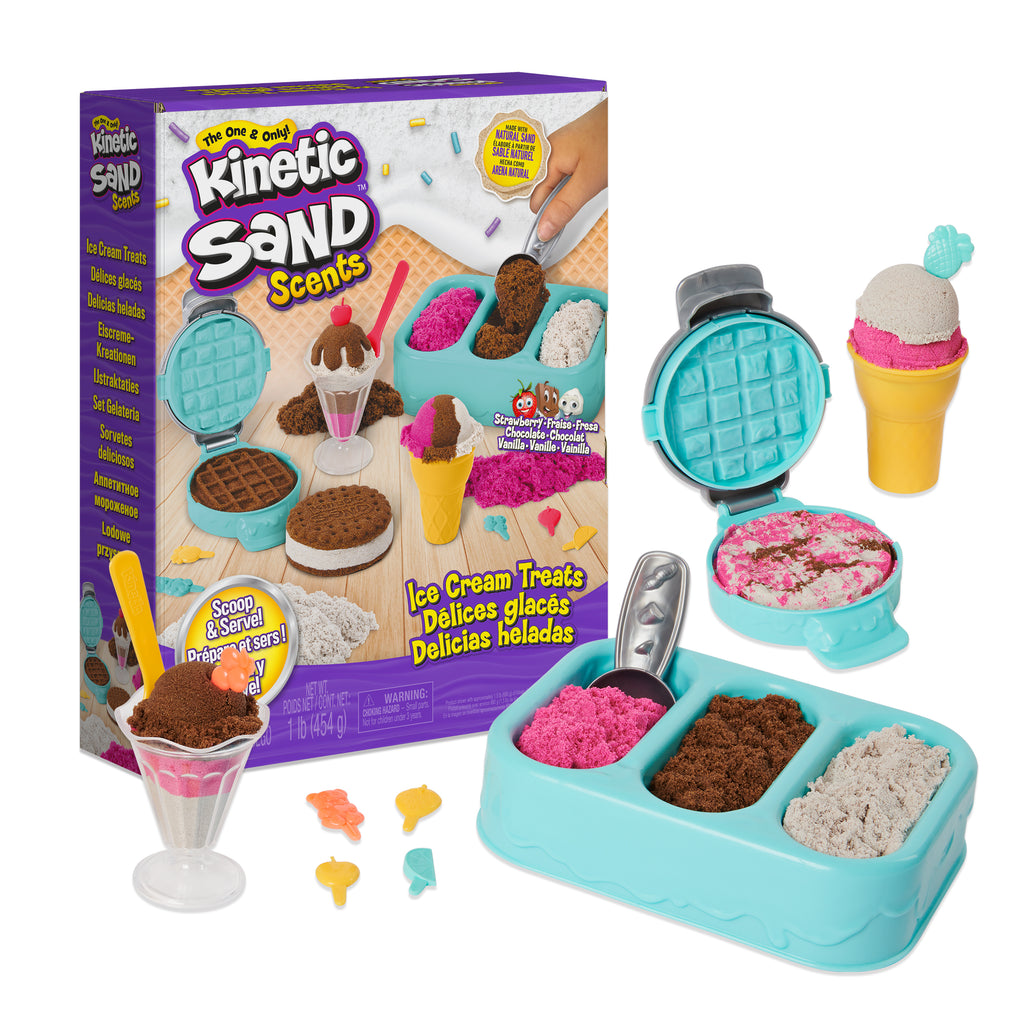
Dig kits, sensory sand and paint all make a mess. That is not a reason to skip them, but give them to a family with a table or a yard, and include a tray if you can. Ask the parents first if you are not sure.
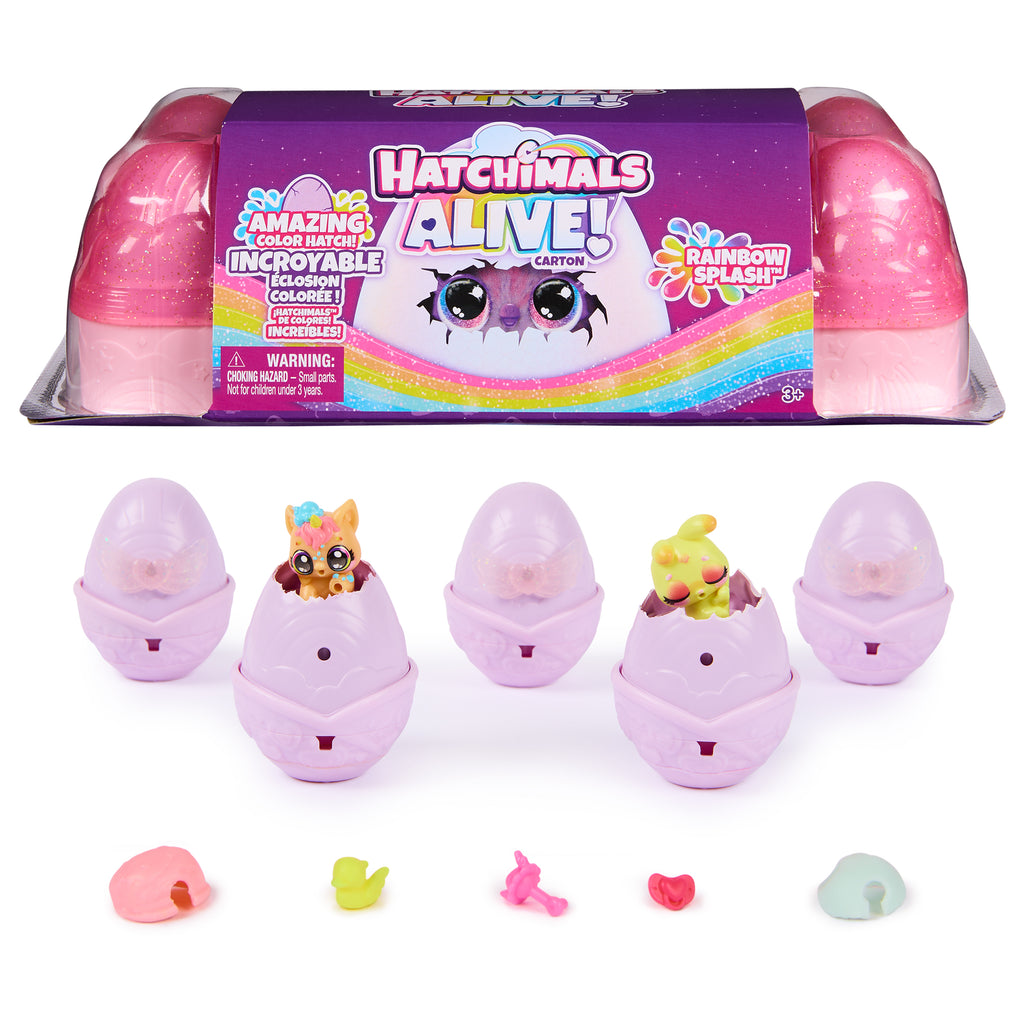
Several picks here have small parts. That is fine for a five-year-old. It is not fine for a baby or toddler in the same house, so check before you buy a tiny-piece building set, small figures or a gem kit for a home with a crawler.
What to skip
Toys that need an adult to set up every time. Kits with one result that is finished in an hour. Electronic toys that talk at the child rather than letting the child do something. And clothes, unless they are something a five-year-old would ask for, like mitts that actually stay on in the snow.
Questions people ask
- What is a good gift for a 5-year-old?
- Something open-ended they can use alone, like magnetic tiles, a click-together building set or a screen-free story player. These get used for months because a five-year-old can make something new each time. If you want a smaller gift, a first board game, a dig kit or a high-bounce ball for outside are reliable choices at this age.
- How much should I spend on a gift for a 5-year-old?
- It depends on how close you are. Friends' birthday parties usually sit at the low end, where a dig kit, a small building set or a ball is plenty. Grandparents and parents can go further with a large magnetic tile set or a story player. Spending more does not buy more play; the cheap ball often gets used most.
- Are screen-free story players worth it for a 5-year-old?
- Yes, for a child who loves stories and asks for the same one on repeat. These players let a five-year-old choose and play stories alone without a screen. The catch is the ongoing cost: stories come on cards or figures sold separately. Check which system the family already has, if any, because cards and figures do not cross between brands.
- Are toys with small parts safe for a 5-year-old?
- Most five-year-olds are fine with small parts, and many building toys are labelled for ages five and up for that reason. The risk is younger siblings. If there is a baby or toddler in the house, choose larger pieces like magnetic tiles, or ask the parents whether they can keep small sets out of reach.